
Heating, ventilation, and air conditioning (HVAC) systems account for nearly 40% of energy use in buildings. At the same time, disposable filters contribute millions of pounds of waste to landfills each year. For homeowners, businesses, and facility managers, the challenge is clear: improve air quality without sacrificing sustainability or efficiency.
This guide explores how modern HVAC filtration—especially innovations like plasma-based reusable filters—reduces environmental impact while cutting costs. Whether you’re a homeowner, facility manager, or sustainability professional, you’ll find practical insights here.
For a broader look at how sustainability fits into system upgrades, explore our HVAC Retrofit Air Quality Guide.
Traditional filtration systems are built around replacement cycles—not long-term efficiency.
Sustainable HVAC filtration focuses on reducing waste, improving performance, and lowering energy demand over time.
It’s not just about cleaner air—it’s about smarter systems.
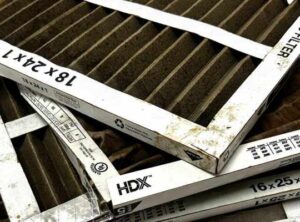
Landfill Waste: Disposable filters are replaced every 2–3 months, adding tons of synthetic waste annually.
Manufacturing Impact: Producing single-use filters consumes raw materials, packaging, and transportation resources.
Indoor Air Quality Trade-Off: High-MERV filters may restrict airflow, forcing HVAC systems to use more energy.
Supporting Content: How Reusable HVAC Filters Cut Landfill Waste →
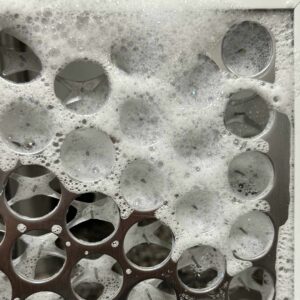
Reusable Designs: Filters like Aireshield® can be cleaned and reused for over a decade, reducing waste streams.
Plasma Filtration Technology: Instead of trapping contaminants, plasma fields actively neutralize pathogens and agglomerate particles, boosting the efficiency of downstream filters.
Long-Term ROI: A single reusable filter can replace dozens of disposable ones, offering both eco-friendly performance and cost savings.
Supporting Content: Energy Savings with Plasma Filtration vs. HEPA →
Sustainability isn’t just about protecting the planet—it’s about lowering operating costs.
Reduced Static Pressure: Plasma filtration clusters particles, allowing HVAC systems to run efficiently with lower resistance.
30% Energy Savings: Field testing shows systems with advanced filtration consume significantly less energy.
System Longevity: Preventing coil fouling and maintaining airflow reduces maintenance and extends HVAC life.
To understand how filtration impacts long-term cost, see our breakdown of the true cost of air filtration.
Supporting Content: Reducing Your Carbon Footprint Through Indoor Air Quality →
High-resistance filters can restrict airflow, forcing HVAC systems to work harder and consume more energy.
Advanced filtration strategies improve particle capture without increasing system strain—helping maintain efficiency while delivering cleaner air.
Carbon Footprint: A household can cut several tons of CO₂ emissions annually by upgrading filtration.
Health & Sustainability Link: Cleaner air reduces respiratory illness, absenteeism, and reliance on energy-intensive medical interventions.
Circular Economy: Long-life reusable products reduce both upstream production and downstream disposal impacts.
Sustainable air quality isn’t just about efficiency—it also supports better living conditions. Learn more in our Indoor Air Quality & Health Guide.
Millions of air filters are discarded each year, contributing to landfill waste.
Reusable and long-life filtration solutions reduce this cycle—delivering both environmental and financial benefits.
Audit your current HVAC system’s filter replacement schedule.
Consider reusable or plasma-based filtration upgrades.
Clean reusable filters twice per year to maintain performance.
Track energy bills before and after upgrades to measure ROI.
Work with contractors trained in sustainable HVAC solutions.
Technologies like confined plasma filtration are helping redefine sustainable HVAC by improving particle capture without increasing system strain.
Yes—especially when paired with plasma technology, reusable filters can match or exceed high-MERV performance while reducing waste.
Typically, twice a year, though households with pets, pollen, or wildfire smoke exposure may need more frequent cleaning.
Yes. By reducing static pressure and preventing system fouling, advanced filters can cut energy use by up to 30%.
Look for UL 2998 ozone-free, ETL, and UL certifications to ensure safety and compliance.
Sustainable filtration reduces waste, improves energy efficiency, and delivers long-term performance without frequent replacement.
Some high-efficiency filters can increase system strain. Advanced solutions improve filtration without significantly impacting airflow.
Using reusable or long-life filtration systems reduces the need for constant replacements and lowers environmental impact.
Upfront costs can be higher, but long-term savings from reduced replacements and improved efficiency often offset the investment.
Switching to a sustainable, efficient HVAC filtration system is one of the simplest ways to protect both your home and the environment.
If you’re ready to upgrade, explore how a full HVAC air purifier upgrade can deliver long-term performance with minimal maintenance.
It’s where your family grows & thrives. Why not make it a healthy sanctuary?
Your home is more than walls and windows—it’s where your family grows, rests, and thrives. Why not make it a sanctuary for health too?
Shop Aireshield Now →
Find a Certified Installer →
You are what you breathe. Breathe Safer.